How to Diagnose a SaaS Organic Traffic Drop: Five Causes and a Checklist
Nearly half of 118 B2B SaaS companies in one agency study lost organic traffic. Before you rewrite anything, work out which of five causes hit you.

- Desk
- Content Strategy
- Format
- How-to
- Reading time
- 7 min
- Published
- Oct 22, 2026
To diagnose a SaaS organic traffic drop, first check whether impressions or clicks fell in Search Console, then sort the cause into technical, security, manual action, algorithmic, seasonal or site move. After that, test for AI answer interception and demand shifts. Choose a fix only after you know which cause applies.
A traffic drop feels like an emergency, and the instinct is to publish more. That instinct can be wrong. This guide gives B2B SaaS content teams a repeatable review: Google's own diagnostic steps, five causes drawn from a 2026 agency study of 118 companies, and a table that maps each cause to the first check. It is written for content leads who must explain a decline to leadership. Cekpr covers search and content strategy for B2B software, and we favor process over panic.
How Does Google Say to Diagnose a Traffic Drop?
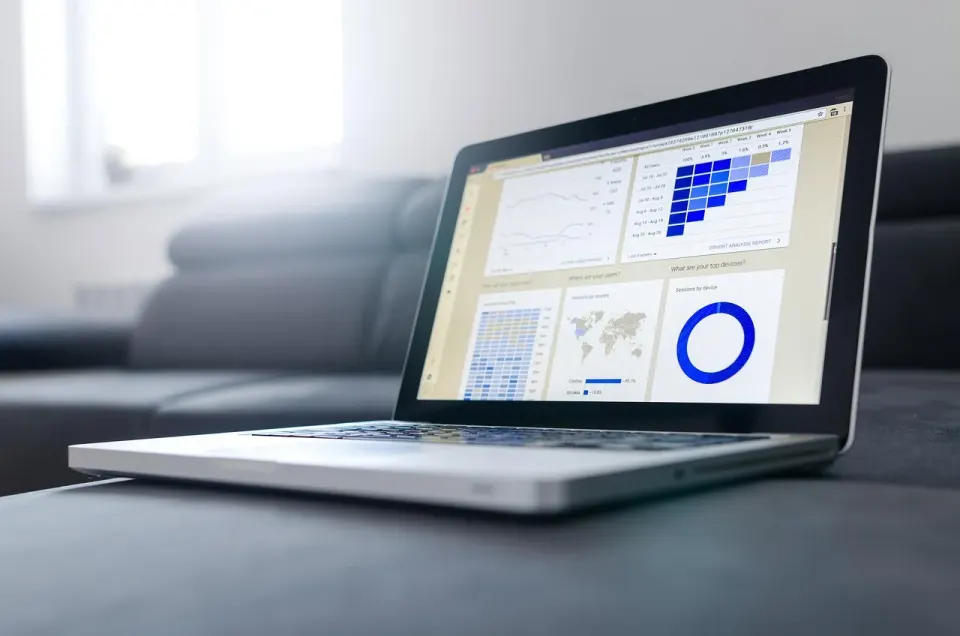
Google's documentation starts with the Search Console chart. Compare impressions and clicks over time. If both fell, look for a cause. If impressions held steady but clicks fell, the title and snippet may be losing against competing results or rich features. That distinction alone narrows the search.
The guide, titled Debugging drops in Google Search traffic, lists six cause categories: technical problems, security issues, manual actions, algorithmic changes, seasonality and changing interests, and site moves. It tells you to set the date range to 16 months to see yearly patterns and to compare the last three months with the prior period.
It also advises sorting the pages table by clicks difference. That shows whether the loss is site-wide, limited to a group of pages or tied to one key page. A site-wide drop points to a technical or algorithmic cause. A drop on a few pages points to content or competition.

What Did the 118-Company SaaS Study Find?
Schwartz Marketing Lab, an organic growth agency, published a study in August 2026 covering 118 B2B SaaS companies across 10 verticals from January 2025 through June 2026. Its Modern Organic Growth Playbook page reports that 47% of companies lost organic traffic, 16% stayed roughly flat and 37% grew.
The agency says it found cases where pages held or improved their Google rankings while losing up to 99% of the clicks those rankings once produced. It describes that pattern as consistent with AI Overview interception. The agency also says publishing frequency, domain authority and backlinks did not explain which companies grew.
Treat this as one source with a commercial interest. The agency sells related services, and the full methodology is behind a download, so we could not verify it. Still, the central idea matches Google's own advice: the same drop can come from different causes, and the right fix depends on the cause.
What Are the Five Causes of a SaaS Traffic Decline?
The study groups declines into five mechanisms: AI Overview interception, algorithm update damage, architectural damage, AI tool demand substitution and competitive displacement. The checks below are our own suggested tests for each, not steps from the study.
| Cause | Typical signal in Search Console | First check |
|---|---|---|
| AI Overview interception | Impressions steady or rising, clicks falling, rankings held | Search your top queries and look for AI answers above your result |
| Algorithm update damage | Drop that lines up with a confirmed update date | Compare the drop with Google's ranking updates list |
| Architectural damage | Sudden loss of indexed pages or crawl errors | Review the Page Indexing and Crawl Stats reports |
| AI tool demand substitution | Falling impressions on informational queries | Check query trends in Google Trends and branded search |
| Competitive displacement | Rankings fall while impressions hold | Compare your position with competitors for the same queries |
Use the table as a triage tool, not a verdict. Several causes can overlap on the same site. Work through them in order and write down what you find.
How Do You Check for Technical or Architectural Damage?
Check technical causes first, because they are the cheapest to fix and the most embarrassing to miss. Google notes that site-wide problems cause sharp drops, while page-level problems such as a misplaced noindex tag cause slower declines. Open the Crawl Stats and Page Indexing reports before you form a theory.
- Confirm that key pages return a 200 status and are not blocked in robots.txt.
- Search your templates for an accidental noindex tag, especially after a release.
- Check that redirects from any recent migration point to the right pages.
- Look for sudden drops in indexed pages in the Page Indexing report.
- Review the Security Issues and Manual Actions reports for warnings.
Recent releases are the usual suspect. A template change that adds a redirect, hides content behind a script or injects an interstitial can erase traffic. Our guide on auditing a SaaS site for back button hijacking shows one example of a technical issue that triggers a spam policy.

How Do You Tell an Algorithm Update From an AI Answer Effect?
An algorithm update usually moves rankings and impressions together, while AI answer interception moves clicks and leaves rankings alone. Compare the date of your drop with the Google Search ranking updates list. Then compare average position, impressions and clicks for your top queries before and after.
If positions fell, an update or a competitor is the likely cause. If positions held but clicks fell, test your top queries by hand and note which ones show an AI answer. Our overview of Google's AI Mode inline links update explains how links appear in those answers.
Google also warns that a core update can change how pages rank without any fault in your content. It says a small position shift usually needs no action, and a large broad drop calls for a review of whether the whole site is helpful and reliable. Spam updates are different, and our backlink audit for the September 2026 spam update shows what to check there.
What Content Held Up in the Study?
The agency reports that among 38 companies where it identified a main growth driver, 61% grew mainly through definitional and educational content. It describes this as foundational material that professionals return to over time. That is a claim to test, not a rule to copy.
The practical reading is that content which answers a lasting question tends to keep earning visits. Content built around short-lived keywords, thin comparisons or templated pages is more fragile. Review your own top losers and ask which category each falls into.

AI answers also draw from brand-owned and third-party pages differently. Our analysis of where AI answers get their sources for B2B software shows why owning a definition can matter. At Cekpr, our editors treat a clear definition page as a durable asset.
How to Run the Diagnosis in One Afternoon
Block three hours and follow a fixed order. Write findings in a shared document so leadership can see the logic, not just the conclusion.
- Set Search Console to 16 months and compare the last three months with the previous period.
- Note whether impressions, clicks or both fell, and the date the decline began.
- Sort pages by clicks difference and group the biggest losers by type.
- Run the technical checks and record any errors found.
- Match the decline date against confirmed Google update dates.
- Test your top ten losing queries by hand for AI answers and new competitors.
- Write a one-paragraph diagnosis naming the most likely cause and the evidence.
Keep the diagnosis separate from the plan. The first document says what happened. The second says what to do. Mixing them tempts teams to pick a favorite fix and then look for evidence.
Which Fixes Match Which Cause?
Match the response to the cause, because the wrong fix can waste months. Technical damage needs engineering. Algorithmic damage needs a sober site review. AI answer interception needs a plan for visibility beyond clicks. The agency itself warns that a wrong fix can extend the damage.
For AI interception, measure whether your pages are cited, not just clicked. Our guide to measuring AI search visibility in Search Console shows what the data can and cannot tell you. For competitive displacement, study the pages that overtook you and close real gaps in depth.
Be honest with leadership about what you cannot control. If clicks fell because an AI answer now satisfies the query, publishing ten more posts will not bring them back. A better goal may be brand mentions, citations and demand that starts from a name rather than a keyword.
Bottom Line
A traffic drop has a cause, and finding it comes before any fix. Start with Google's Search Console checks, test the five causes in order, and write down your evidence. Keep in mind that the study behind the five-cause idea comes from an agency with a stake in the answer.
Your next step is to schedule the afternoon diagnosis this week. Use the seven steps, name one most likely cause, and only then decide what to publish, repair or measure.
How do I know why my SaaS organic traffic dropped?
Can rankings stay the same while organic traffic falls?
What are the six causes of a traffic drop in Google's documentation?
Should I publish more content after a traffic drop?
 Up next · Measurement How to Read Bing's AI Performance Report: Citations, Grounding Queries and Citation Share
Keep reading
All posts → Content Strategy The FTC Review Rule and SaaS Content: What to Fix on Testimonials and Review Pages in 2026 The FTC has started sending warning letters under its Consumer Review Rule. Here is how B2B SaaS teams should audit testimonials, review incentives and comparison pages. Molly Ashcroft 7 min
 Content Strategy Where AI Answers Get Their Sources for B2B Software, and Why Only 10% Point to Your Site A 2026 study of 57.2 million citations found brand-owned pages are a small slice of what AI cites. For SaaS content teams, that changes what a content plan should include. Molly Ashcroft 7 min
 Content Strategy How to Fact-Check AI-Assisted Content Under Google's 2026 Guidance Google now says AI drafts need a human fact-check before publishing, and the review reaches titles, meta descriptions, schema and alt text. Molly Ashcroft 7 min
join the club.
The week's best SEO and AI search posts, plus one thing to check in your own Search Console, every Thursday morning. Unsubscribe whenever.